

For a long time, I thought dim sum was simply something people like us had to give up.
If you're celiac or gluten-free, you know the feeling. The dumplings, the spring rolls, the soup dumplings you used to love — all quietly crossed off the list. When I started teaching cooking here in Osaka, I met so many people carrying that exact quiet disappointment. And I couldn't stop thinking about it.
So I set out to bring dim sum back. All of it. Gluten-free.
It took months. A lot of cracked wrappers, dry spring rolls, and dumplings that fell apart the second I picked them up. But I got there — and the best part is, it all comes down to just two doughs. One for frying, one for steaming. Master those two, and a whole table of dim sum opens back up to you.
Here's the full guide, the same way I'd walk you through it in my kitchen.
The whole secret: two doughs
Before we get into each dish, here's the idea that changed everything for me.
You don't need a different recipe for every kind of dim sum. You need two doughs:
A frying dough (potato starch + hot water) — for crispy spring rolls.
A steaming dough (my gluten-free gyoza wrapper) — for shumai, soup dumplings, gyoza, and more.
Once those two live in your hands, everything else is just shaping and filling. That's it. Let me show you.
Gluten-Free Spring Rolls (the frying dough)
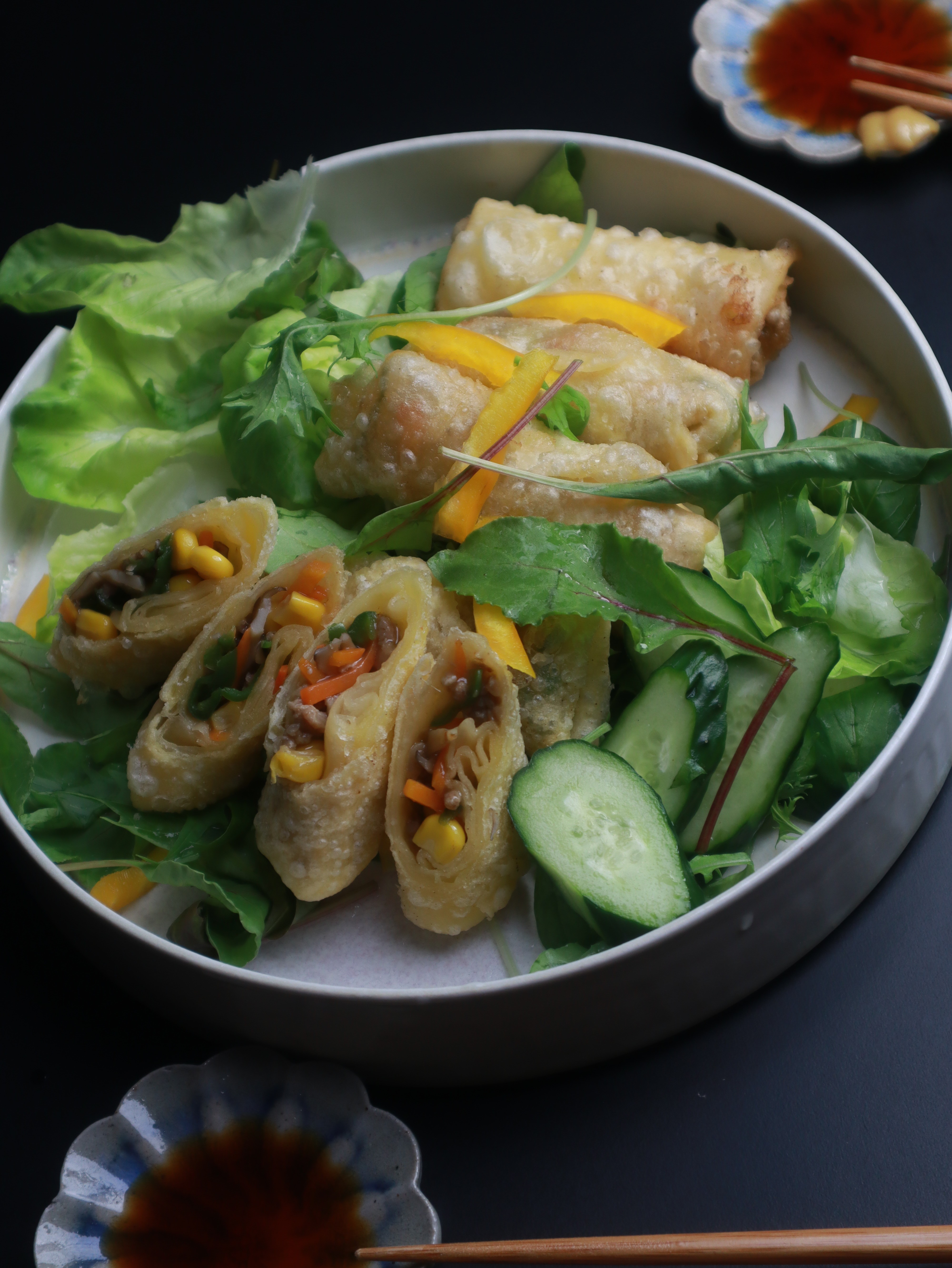
Everyone told me crispy gluten-free spring rolls were impossible — the wrapper always cracked, or fried up dry as dust. Here are the three things that finally made them work.
1. Potato starch, not rice flour
Almost every gluten-free spring roll uses rice flour, and that's exactly why they turn out dry and brittle. I use potato starch (katakuriko) and pour in boiling water, a little at a time. The hot water gelatinizes the starch, so the wrapper stays soft and never cracks. If it looks a bit wet at first, don't worry — potato starch drinks up a lot of water.
2. Cook the wrapper twice
This is the step nobody tells you, and it's the one I'm proudest of. Before you fill and fry, roll the wrapper thin (shape it into a square first — squares roll into squares), then dip both sides in water and set it briefly in a dry pan, no oil. That thin gelatinized layer is what keeps it crispy instead of dry, and seals it so it holds together. Keep the finished wrappers under a damp paper towel so they don't dry out.
3. Wrap it double, and don't over-fry
Spring roll recipe
The wrapper — makes about 10 (15cm)
Potato starch (katakuriko) — 72g (certified gluten-free)
Psyllium husk — 12g
Salt — 2g
Egg yolk — 2
Oil — 2 tbsp
Hot boiling water — 84g (adjust as needed)
Extra potato starch — for dusting
The filling — for about 10 rolls
Ground pork — 150g
Dried shiitake — 3 (soaked, save the liquid)
Carrot — 1/3, julienned
Green pepper — 2, julienned
Canned corn — 30g
Sesame oil — 1/2 tbsp
Seasoning
Sake — 1 tbsp
Sugar — 1/2 tbsp
Salt — 1/4 tsp
Tamari — 1/2 tbsp (gluten-free soy sauce)
Oyster sauce — 1/2 tbsp (gluten-free)
Grated ginger — 1 tsp
Dried shiitake soaking liquid — 100ml
💡 Make-ahead: these freeze wonderfully. Wrap them, freeze them, and fry straight from frozen — no need to thaw.
Gluten-Free Shumai (the steaming dough)
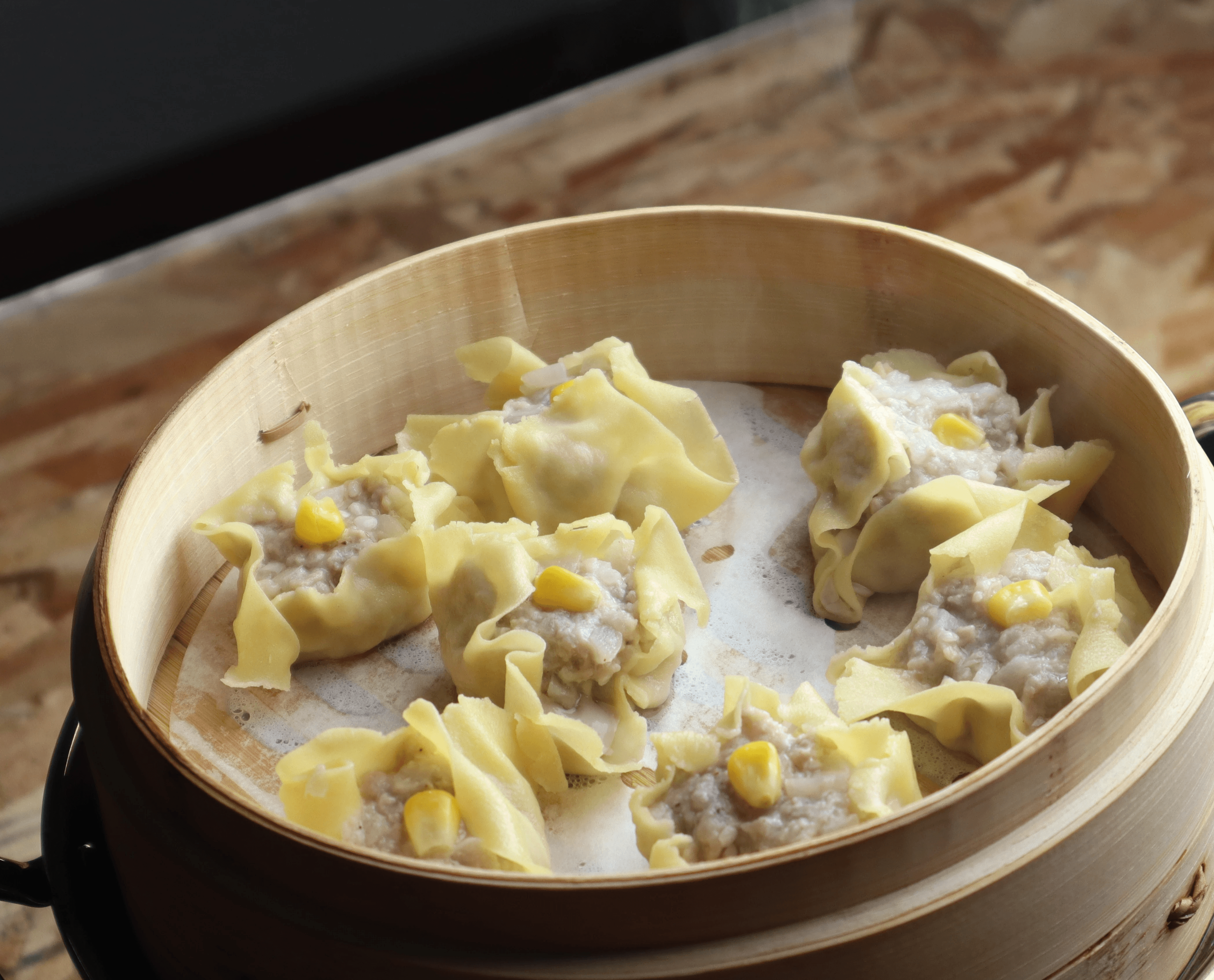
Now for the steaming side. I'll be honest with you — this didn't come easily either. Here's the real process, cracked attempts and all. I don't think it's fair to only show the pretty final plate.
The wrapper here is my gluten-free gyoza dough (rolled into ~10cm squares). The filling is beautifully simple — just pork and onion — so it's light and full of protein.
A few tips that make shumai easy:
Blend a little leek-ginger water (white leek, ginger, a splash of water) into the pork — it deepens the flavor and keeps the filling juicy.
Mix the filling until it turns sticky, then shape: a scoop on the wrapper, cup it with your thumb and index finger, and pleat the sides boldly.
Steam about 10 minutes, until plump and juicy. A pea or a corn kernel on top makes them adorable.
📩 The full shumai recipe with exact measurements is free in my newsletter.
Gluten-Free Soup Dumplings / Xiao Long Bao (the steaming dough)
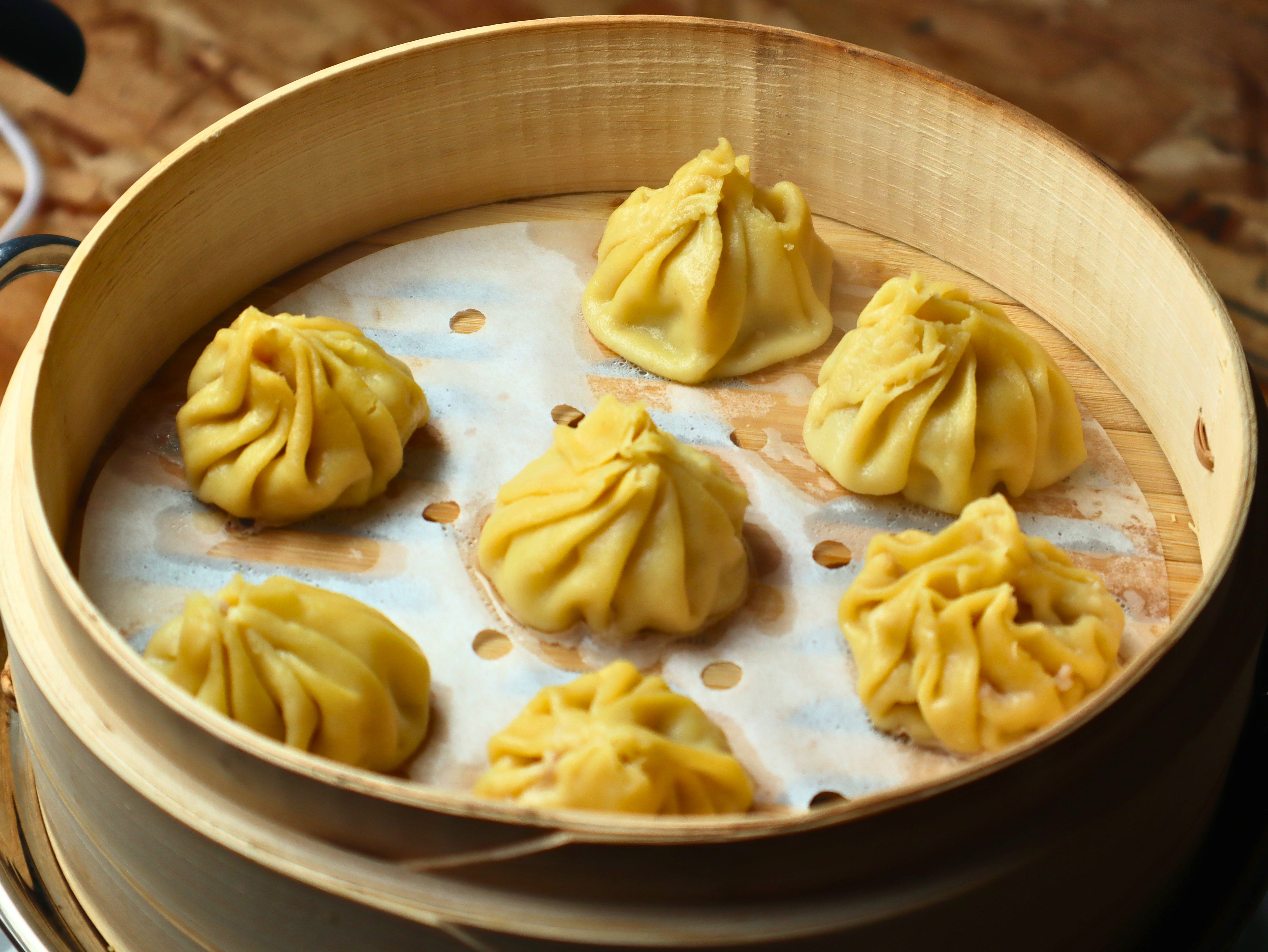
This is the one everyone swears can't be done gluten-free — soup, sealed inside a dumpling. I struggled with these more than anything. But when it finally worked, I actually teared up a little.
The whole trick is a dashi jelly: dissolve gelatin into chicken stock, chill it until it sets, then chop it small and mix it into the pork. As the dumplings steam, that jelly melts back into hot soup — sealed right inside the wrapper. That's the magic.
A few tips that make soup dumplings work:
Rest the filling in the fridge for about 30 minutes before wrapping. This keeps the jelly firm so it doesn't melt into the meat too early — and makes the whole thing much easier to wrap.
Wet the edge of the wrapper, then pleat and gather toward the center, pinching the top closed. It looks intimidating, but you'll get the rhythm.
If yours don't come out perfect the first time, please don't give up. Mine didn't either. It takes a few tries — and it's so worth it.
📩 The full soup dumpling recipe with exact measurements is free in my newsletter.
The dough is the key — and I'll teach you
You'll notice both shumai and soup dumplings use the same steaming dough. That one dough is the heart of everything, and it took me the longest to get right. I teach it from scratch, step by step, in my Udemy course — chewy, reliable, and perfect for steaming.
🎓 Learn the dough: this month you can use code OSAKA-DIMSUM for the best price (through September 5, 2026): Take the course.
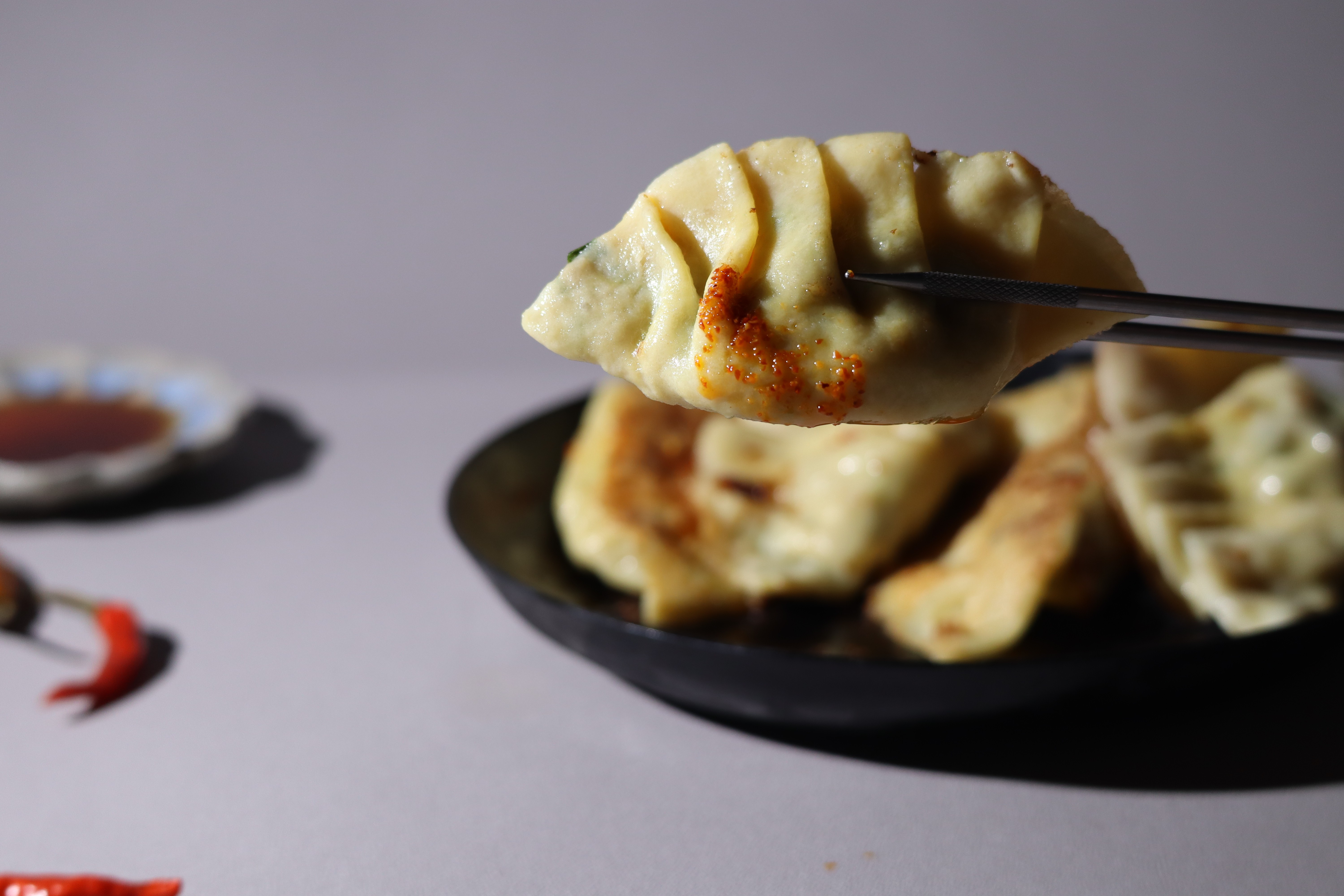
Cook these with me
💌 Want the full printable recipes? I send them out free in my newsletter — come join us.
🍜 Coming to Osaka? I'd love to cook with you in person — gluten-free ramen & gyoza class.
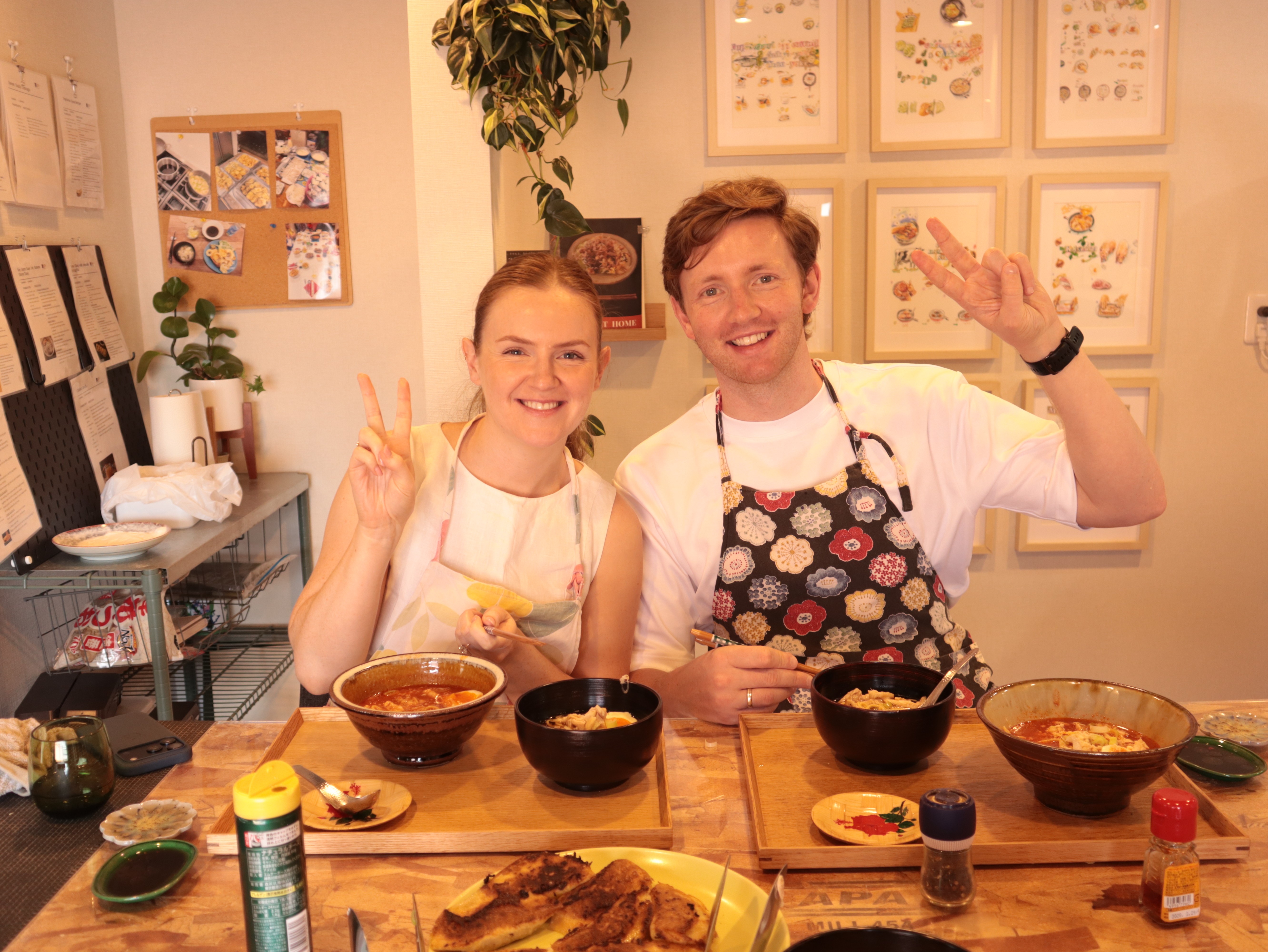
Dim sum used to be off-limits when you eat gluten-free. This is my small way of changing that, one recipe at a time. Thank you for cooking with me — I can't wait to see what you make.
— Yuki, from my kitchen in Osaka 🇯🇵
For best results, weigh the wrapper ingredients (metric)
Instructions
Make the wrapper dough. Mix the potato starch, psyllium, and salt. Pour in the hot boiling water a little at a time, stirring. The boiling water gelatinizes the starch, so the wrapper stays soft and never cracks. It may look wet at first — that's fine.
Once cool enough to touch, knead in the oil until smooth. Add the egg yolk last and knead again. Rest for 30 minutes.
Divide into 15–20g pieces. Shape each into a square, then roll thin to about 15cm.
Cook the wrapper twice. Dip both sides in water, then set briefly in a dry pan (no oil) — just to set it, not brown it. This is what keeps it crispy, not dry. Keep finished wrappers under a damp paper towel.
Make the filling. Heat the sesame oil and cook the pork first. Add the shiitake, carrot, green pepper, and corn, and stir-fry quickly.
Add the seasoning and simmer for a minute. Stir in a little potato starch dissolved in water to thicken into a glossy sauce. Let it cool completely.
Wrap. Place the cooled filling on a wrapper, wrap it tight (double it if using a bigger wrapper), push out the air, and seal the edge with water.
Fry at 180°C (350°F) until pale gold. The wrapper's already cooked, so this is quick — don't over-fry, or it dries out.
Optional: freeze the wrapped rolls and fry straight from frozen — no need to thaw.
Step 1